All places
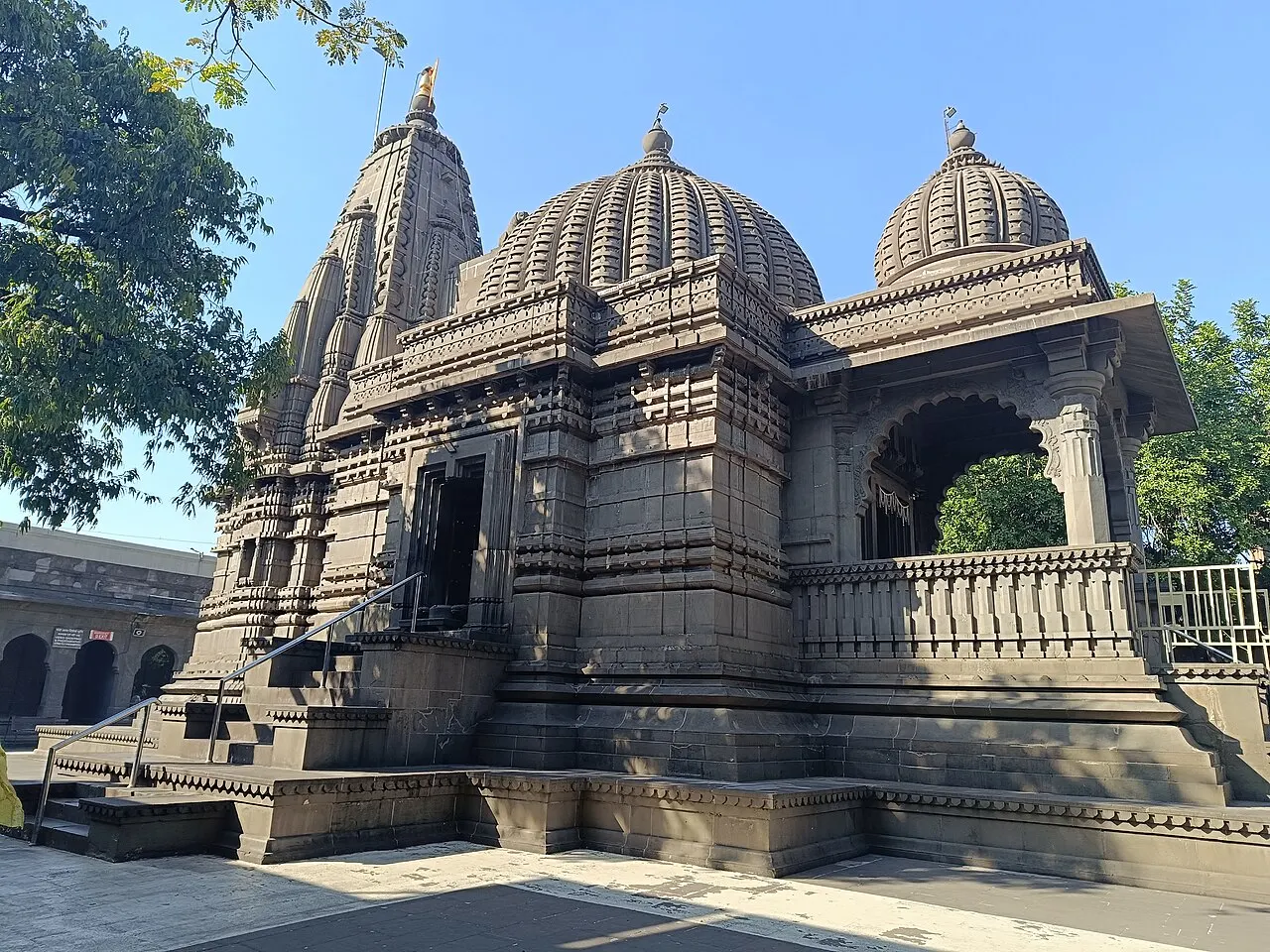
Panchavati, Nashik
Maharashtra, India
The grove of five banyans on the Godavari, where Sita was taken by Ravana.
On the sage Agastya's advice the exiles settle at Panchavati. Here Lakshmana disfigures Ravana's sister Shurpanakha, Rama chases the golden deer, and Ravana carries Sita away. Local tradition links the name Nashik to nasika, the nose of Shurpanakha, and shows pilgrims the cave known as Sita Gufa.
Nashik was an important trading town in the early centuries CE. The nearby Pandavleni caves are Buddhist rock-cut monasteries of roughly the second century BCE to second century CE, with inscriptions of the Satavahana period. The Kalaram temple at Panchavati dates from the late eighteenth century, and Nashik is one of the four Kumbh Mela cities.
- c. 200 BCEBuddhist monks begin cutting the Pandavleni caves nearby
- c. 100 CESatavahana-period inscriptions in the caves; Nashik is a trading town
- c. 1790 CEThe Kalaram temple is built at Panchavati
Sources and further reading
Characters
Also on the map
See all Gujarat, India · 1400 CEDwarka
 Karnataka, India · 1336 CEHampi (Kishkindha)
 Uttar Pradesh, India · 400 BCEMathura
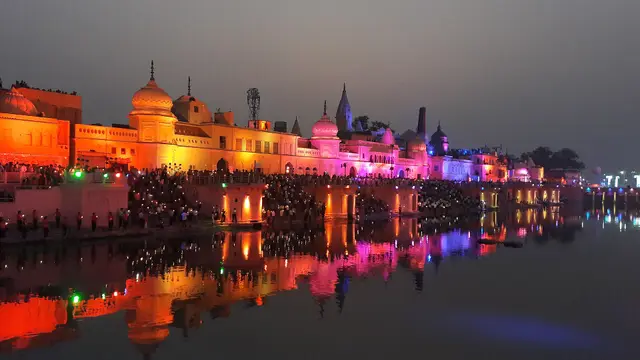 Uttar Pradesh, India · 600 BCEAyodhya
 Uttar Pradesh, India · 250 BCEPrayagraj (Triveni Sangam)
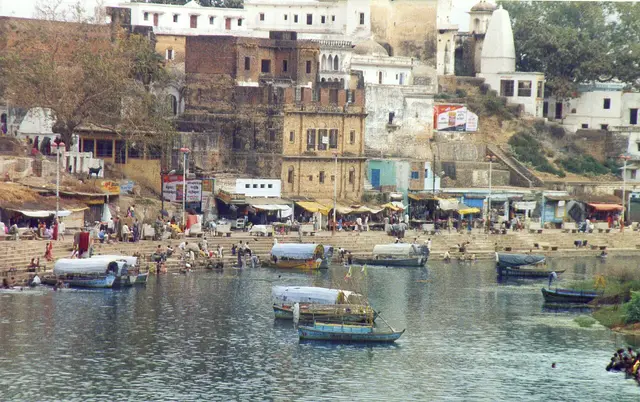 Uttar Pradesh and Madhya Pradesh, India · 1500 CEChitrakoot
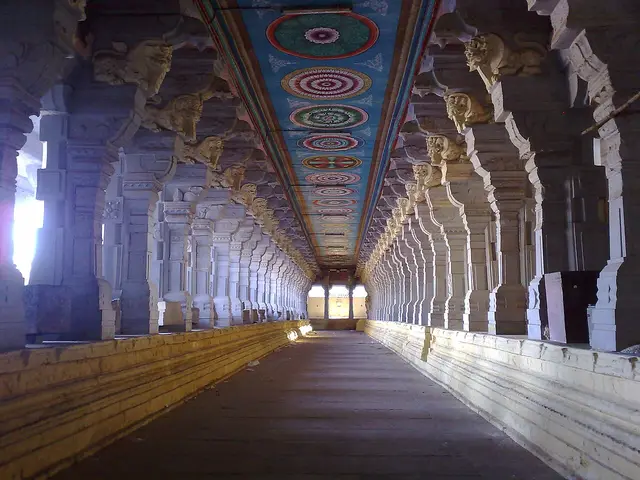 Tamil Nadu, India · 1100 CERameswaram
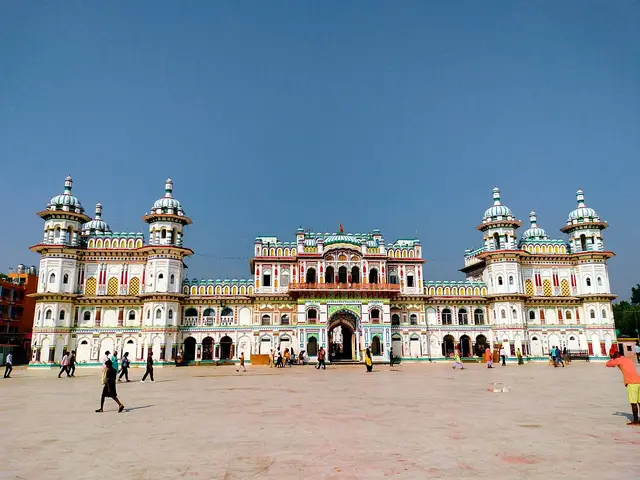 Madhesh Province, Nepal · 1911 CEJanakpur
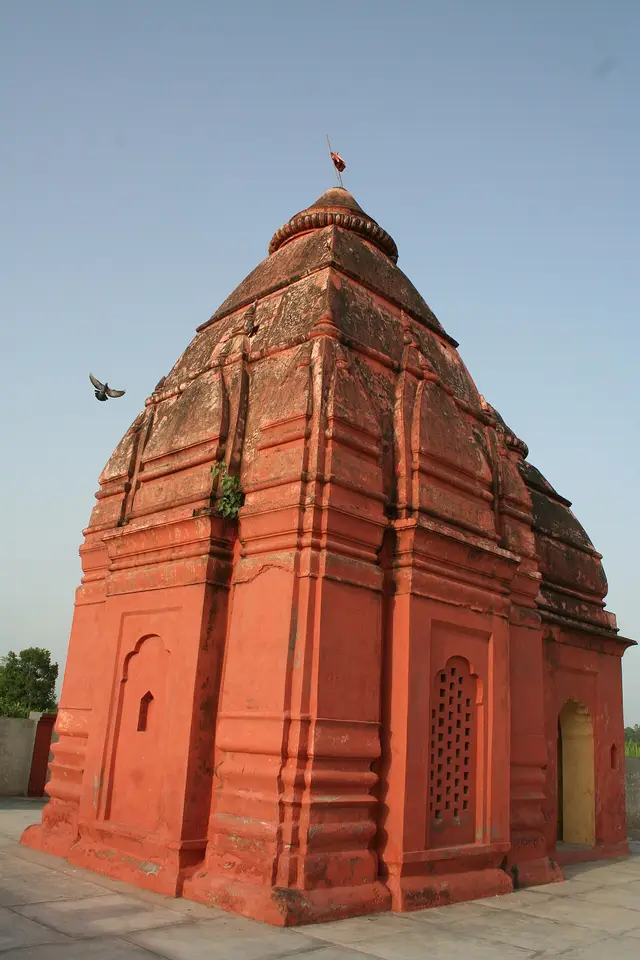 Uttar Pradesh, India · 1100 BCEHastinapur
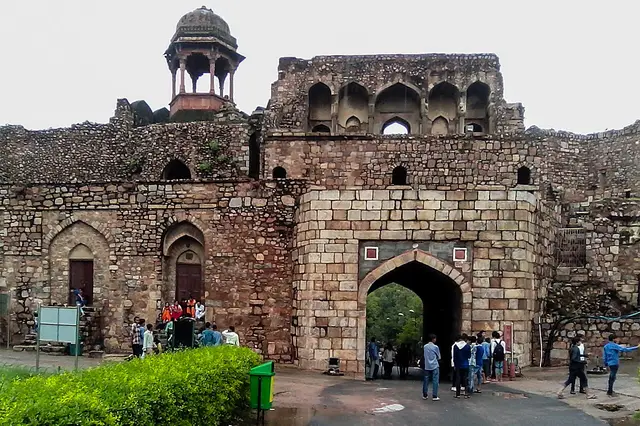 Delhi, India · 300 BCEIndraprastha (Purana Qila)
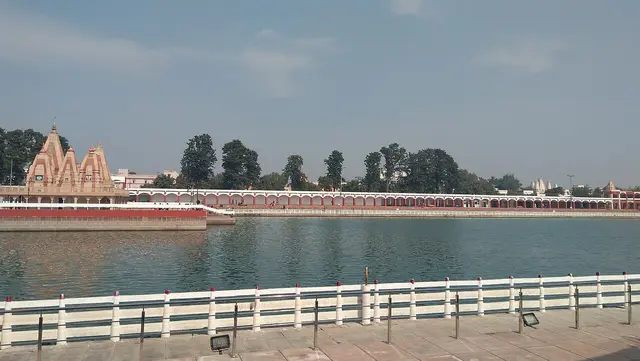 Haryana, India · 1200 BCEKurukshetra
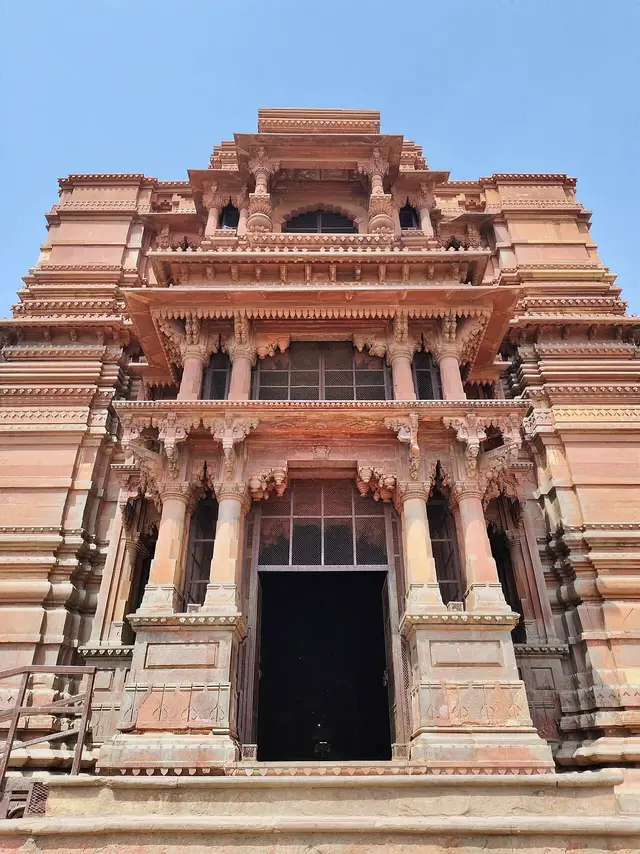 Uttar Pradesh, India · 1590 CEVrindavan
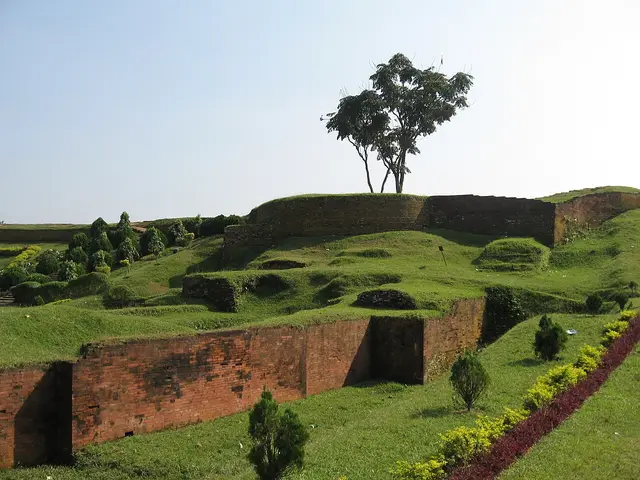 Bogura, Bangladesh · 300 BCEMahasthangarh (Pundranagara)
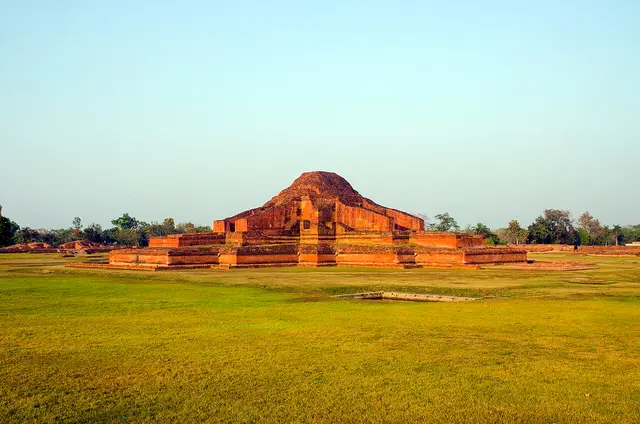 Naogaon, Bangladesh · 780 CESomapura Mahavihara, Paharpur
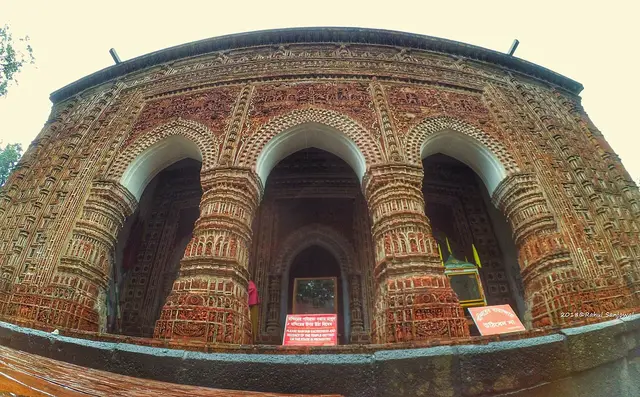 Dinajpur, Bangladesh · 1704 CEKantajew Temple
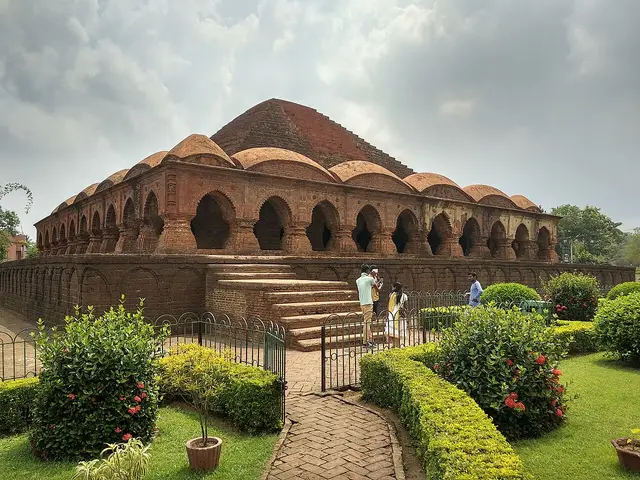 West Bengal, India · 1600 CEBishnupur